
Navigating the world of insurance can feel like wandering through a maze, especially when you’re trying to figure out the best coverage options for your needs.
I remember when I first started looking, I was completely overwhelmed by all the jargon and different policy types. That’s where an insurance broker can be a real lifesaver – they act as your guide, helping you compare various insurance products from different companies to find the perfect fit.
It’s like having a personal shopper, but for insurance! The rise of AI and data analytics is even making it easier to quickly assess all of the options, which is a welcome change.
In the future, expect even more personalized insurance recommendations driven by your own data. Let’s explore the details below to gain a crystal-clear understanding.
Navigating the world of insurance can feel like wandering through a maze, especially when you’re trying to figure out the best coverage options for your needs.
I remember when I first started looking, I was completely overwhelmed by all the jargon and different policy types. That’s where an insurance broker can be a real lifesaver – they act as your guide, helping you compare various insurance products from different companies to find the perfect fit.
It’s like having a personal shopper, but for insurance! The rise of AI and data analytics is even making it easier to quickly assess all of the options, which is a welcome change.
In the future, expect even more personalized insurance recommendations driven by your own data.
Unveiling the Core Roles of an Insurance Broker: Your Advocate in a Complex Market
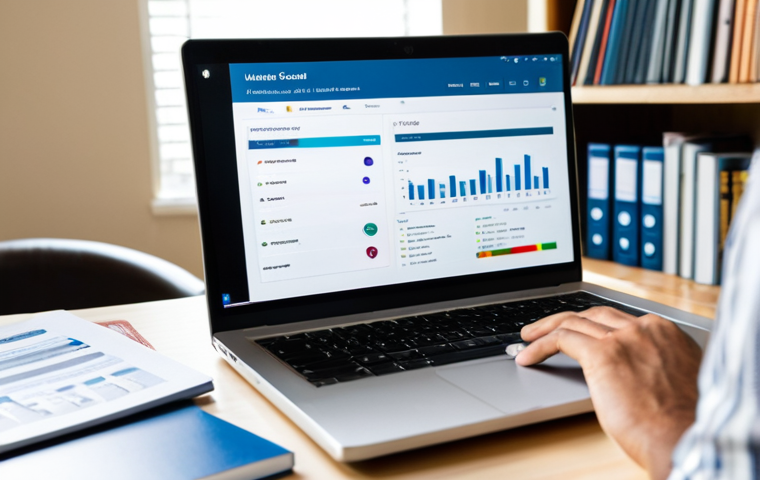
Insurance brokers are your dedicated allies in the insurance landscape, offering tailored advice and helping you navigate the complexities of different policies.
They aren’t tied to a single insurance company, which means they can provide unbiased recommendations, something that’s incredibly valuable when you’re trying to balance cost and coverage.
It’s like having a savvy friend who knows all the ins and outs of insurance and is willing to share their knowledge to help you make the best decision.
I once spent hours trying to decipher the fine print of a policy, only to realize I was still confused. A broker could have saved me so much time and frustration!
The key benefit here is having someone who understands the market and can advocate for your specific needs, ensuring you get the most comprehensive coverage at the best possible price.
This level of personalized attention is what sets brokers apart from simply buying a policy online or directly from an insurance company.
Deciphering Policy Jargon and Simplifying Your Choices
One of the most challenging aspects of dealing with insurance is the industry-specific language. Terms like “deductible,” “premium,” “co-pay,” and “exclusions” can be confusing and daunting.
A broker is adept at breaking down these complex terms into plain English, helping you understand exactly what you’re paying for and what’s covered. Think of them as translators, turning the often-incomprehensible insurance-speak into clear, actionable information.
For instance, I recently had a friend who thought he had full coverage on his car, only to find out after an accident that certain types of damage weren’t included.
A broker could have clarified those exclusions upfront, potentially saving him a lot of financial stress. It’s about making informed decisions rather than just guessing what your policy covers.
Tailoring Coverage to Fit Your Unique Circumstances
Everyone’s insurance needs are different. A young, single professional will have different requirements than a family with children or a retiree. An insurance broker takes the time to understand your specific situation, assessing your risks and recommending policies that address your individual needs.
This personalized approach ensures that you’re not over-insured in some areas while being under-insured in others. I remember when my family bought our first house; we were completely clueless about homeowner’s insurance.
Our broker walked us through all the potential risks, from fire and theft to liability, and helped us choose a policy that provided the right level of protection for our home and our peace of mind.
Comparing Insurance Options: A Broker’s Expertise in Your Corner
Brokers work with a variety of insurance providers, giving them a broader perspective on the available options. This allows them to compare policies from different companies, highlighting the pros and cons of each, and ultimately helping you make an informed decision.
It’s like having access to a comprehensive comparison shopping tool, but with the added benefit of expert advice.
Accessing Multiple Quotes and Competitive Pricing
One of the primary advantages of using an insurance broker is their ability to gather quotes from multiple insurance companies. This saves you the time and effort of contacting each insurer individually.
Brokers can leverage their relationships with various providers to negotiate competitive rates and find the best possible deal for your specific needs.
It’s like having a personal price negotiator in your corner, working to ensure you don’t overpay for your coverage. In my experience, brokers have often found me better deals than I could have found on my own, simply because they have access to a wider range of options and understand the nuances of pricing.
Identifying Coverage Gaps and Avoiding Costly Mistakes
Insurance policies can be complex, and it’s easy to overlook important details or coverage gaps. Brokers are skilled at identifying these potential pitfalls, ensuring that you have adequate protection in all critical areas.
They can help you understand the fine print and avoid costly mistakes that could leave you vulnerable in the event of a claim. I once had a policy that seemed comprehensive, but it turned out to have a significant gap in liability coverage.
My broker pointed this out and helped me adjust my policy to ensure I was fully protected. It’s about having an expert eye looking out for your best interests.
Demystifying the Insurance Claim Process: A Broker’s Support When You Need It Most
Dealing with an insurance claim can be a stressful and confusing experience, especially if you’re already dealing with a loss or damage. An insurance broker can provide invaluable support during the claims process, guiding you through the necessary steps and advocating on your behalf to ensure a fair and timely resolution.
Assisting with Paperwork and Documentation
The claims process often involves a significant amount of paperwork and documentation, which can be overwhelming. Brokers can help you gather the necessary information, complete the required forms, and submit your claim accurately and efficiently.
They can also liaise with the insurance company on your behalf, handling any questions or requests for additional information. It’s like having a dedicated administrative assistant to streamline the claims process and minimize your stress.
I remember when my house was damaged in a storm; the claims process seemed incredibly daunting until my broker stepped in and guided me through every step.
Advocating for a Fair Settlement
Insurance companies sometimes try to minimize payouts or deny claims altogether. A broker can act as your advocate, negotiating with the insurance company to ensure you receive a fair settlement.
They understand the insurance industry’s practices and can challenge unfair decisions or lowball offers. It’s like having a seasoned negotiator in your corner, fighting to protect your rights and interests.
In one instance, a friend’s claim was initially denied, but his broker successfully appealed the decision and secured the full amount of coverage he was entitled to.
Beyond the Sale: Building a Long-Term Relationship with Your Broker
The relationship with an insurance broker shouldn’t end after you purchase a policy. A good broker will provide ongoing support and advice, reviewing your coverage regularly and making adjustments as your needs change.
It’s about building a long-term partnership based on trust and mutual understanding.
Periodic Policy Reviews and Updates
Your insurance needs can change over time due to various factors such as changes in your income, family status, or assets. A broker can conduct periodic policy reviews to ensure that your coverage remains adequate and up-to-date.
They can recommend adjustments to your policy as needed, ensuring that you’re always properly protected. It’s like having a financial advisor for your insurance needs, helping you stay on track and adapt to changing circumstances.
I appreciate that my broker checks in with me every year to review my policies and make sure I have the right coverage for my current situation.
Expert Advice on Risk Management
Brokers can provide expert advice on risk management, helping you identify potential hazards and take steps to minimize your exposure. They can offer guidance on things like home safety, car maintenance, and business continuity planning.
It’s like having a consultant who helps you proactively manage risks and prevent losses. I’ve found my broker’s advice on risk management to be incredibly valuable, helping me avoid potential problems and protect my assets.
Table: Comparing Direct Insurance vs. Using a Broker
| Feature | Direct Insurance | Insurance Broker |
|---|---|---|
| Choice of Insurers | Limited to one company | Multiple companies |
| Personalized Advice | Limited or none | Tailored to your needs |
| Claims Assistance | Self-service | Dedicated support |
| Cost | Potentially lower premiums, but may miss discounts | May have broker fees, but can find the best overall value |
| Time Savings | Requires individual research and comparison | Saves time and effort |
The Future of Insurance Brokering: AI and Personalized Services
The insurance industry is rapidly evolving, with AI and data analytics playing an increasingly important role. Insurance brokers are adapting to these changes, leveraging technology to provide even more personalized and efficient services.
Leveraging AI for Enhanced Policy Recommendations
AI-powered tools can analyze vast amounts of data to identify trends, assess risks, and recommend optimal coverage options. Brokers can use these tools to provide more accurate and personalized advice, ensuring that you get the best possible coverage at the best possible price.
It’s like having a super-smart assistant that helps your broker find the perfect policy for your needs. I’m excited about the potential of AI to further enhance the services that brokers provide, making the insurance process even easier and more transparent.
Personalized Risk Assessments with Data Analytics
Data analytics can be used to create personalized risk assessments based on your individual circumstances. This allows brokers to tailor your coverage to your specific needs, avoiding unnecessary expenses and ensuring that you’re adequately protected against the risks that matter most to you.
It’s like having a custom-built insurance plan that fits your life perfectly. I believe that personalized risk assessments will become increasingly common in the future, leading to more effective and affordable insurance coverage for everyone.
Navigating the world of insurance can feel like wandering through a maze, especially when you’re trying to figure out the best coverage options for your needs.
I remember when I first started looking, I was completely overwhelmed by all the jargon and different policy types. That’s where an insurance broker can be a real lifesaver – they act as your guide, helping you compare various insurance products from different companies to find the perfect fit.
It’s like having a personal shopper, but for insurance! The rise of AI and data analytics is even making it easier to quickly assess all of the options, which is a welcome change.
In the future, expect even more personalized insurance recommendations driven by your own data.
Unveiling the Core Roles of an Insurance Broker: Your Advocate in a Complex Market
Insurance brokers are your dedicated allies in the insurance landscape, offering tailored advice and helping you navigate the complexities of different policies. They aren’t tied to a single insurance company, which means they can provide unbiased recommendations, something that’s incredibly valuable when you’re trying to balance cost and coverage. It’s like having a savvy friend who knows all the ins and outs of insurance and is willing to share their knowledge to help you make the best decision. I once spent hours trying to decipher the fine print of a policy, only to realize I was still confused. A broker could have saved me so much time and frustration! The key benefit here is having someone who understands the market and can advocate for your specific needs, ensuring you get the most comprehensive coverage at the best possible price. This level of personalized attention is what sets brokers apart from simply buying a policy online or directly from an insurance company.
Deciphering Policy Jargon and Simplifying Your Choices
One of the most challenging aspects of dealing with insurance is the industry-specific language. Terms like “deductible,” “premium,” “co-pay,” and “exclusions” can be confusing and daunting. A broker is adept at breaking down these complex terms into plain English, helping you understand exactly what you’re paying for and what’s covered. Think of them as translators, turning the often-incomprehensible insurance-speak into clear, actionable information. For instance, I recently had a friend who thought he had full coverage on his car, only to find out after an accident that certain types of damage weren’t included. A broker could have clarified those exclusions upfront, potentially saving him a lot of financial stress. It’s about making informed decisions rather than just guessing what your policy covers.
Tailoring Coverage to Fit Your Unique Circumstances
Everyone’s insurance needs are different. A young, single professional will have different requirements than a family with children or a retiree. An insurance broker takes the time to understand your specific situation, assessing your risks and recommending policies that address your individual needs. This personalized approach ensures that you’re not over-insured in some areas while being under-insured in others. I remember when my family bought our first house; we were completely clueless about homeowner’s insurance. Our broker walked us through all the potential risks, from fire and theft to liability, and helped us choose a policy that provided the right level of protection for our home and our peace of mind.
Comparing Insurance Options: A Broker’s Expertise in Your Corner
Brokers work with a variety of insurance providers, giving them a broader perspective on the available options. This allows them to compare policies from different companies, highlighting the pros and cons of each, and ultimately helping you make an informed decision. It’s like having access to a comprehensive comparison shopping tool, but with the added benefit of expert advice.
Accessing Multiple Quotes and Competitive Pricing
One of the primary advantages of using an insurance broker is their ability to gather quotes from multiple insurance companies. This saves you the time and effort of contacting each insurer individually. Brokers can leverage their relationships with various providers to negotiate competitive rates and find the best possible deal for your specific needs. It’s like having a personal price negotiator in your corner, working to ensure you don’t overpay for your coverage. In my experience, brokers have often found me better deals than I could have found on my own, simply because they have access to a wider range of options and understand the nuances of pricing.
Identifying Coverage Gaps and Avoiding Costly Mistakes
Insurance policies can be complex, and it’s easy to overlook important details or coverage gaps. Brokers are skilled at identifying these potential pitfalls, ensuring that you have adequate protection in all critical areas. They can help you understand the fine print and avoid costly mistakes that could leave you vulnerable in the event of a claim. I once had a policy that seemed comprehensive, but it turned out to have a significant gap in liability coverage. My broker pointed this out and helped me adjust my policy to ensure I was fully protected. It’s about having an expert eye looking out for your best interests.
Demystifying the Insurance Claim Process: A Broker’s Support When You Need It Most
Dealing with an insurance claim can be a stressful and confusing experience, especially if you’re already dealing with a loss or damage. An insurance broker can provide invaluable support during the claims process, guiding you through the necessary steps and advocating on your behalf to ensure a fair and timely resolution.
Assisting with Paperwork and Documentation
The claims process often involves a significant amount of paperwork and documentation, which can be overwhelming. Brokers can help you gather the necessary information, complete the required forms, and submit your claim accurately and efficiently. They can also liaise with the insurance company on your behalf, handling any questions or requests for additional information. It’s like having a dedicated administrative assistant to streamline the claims process and minimize your stress. I remember when my house was damaged in a storm; the claims process seemed incredibly daunting until my broker stepped in and guided me through every step.
Advocating for a Fair Settlement
Insurance companies sometimes try to minimize payouts or deny claims altogether. A broker can act as your advocate, negotiating with the insurance company to ensure you receive a fair settlement. They understand the insurance industry’s practices and can challenge unfair decisions or lowball offers. It’s like having a seasoned negotiator in your corner, fighting to protect your rights and interests. In one instance, a friend’s claim was initially denied, but his broker successfully appealed the decision and secured the full amount of coverage he was entitled to.
Beyond the Sale: Building a Long-Term Relationship with Your Broker
The relationship with an insurance broker shouldn’t end after you purchase a policy. A good broker will provide ongoing support and advice, reviewing your coverage regularly and making adjustments as your needs change. It’s about building a long-term partnership based on trust and mutual understanding.
Periodic Policy Reviews and Updates
Your insurance needs can change over time due to various factors such as changes in your income, family status, or assets. A broker can conduct periodic policy reviews to ensure that your coverage remains adequate and up-to-date. They can recommend adjustments to your policy as needed, ensuring that you’re always properly protected. It’s like having a financial advisor for your insurance needs, helping you stay on track and adapt to changing circumstances. I appreciate that my broker checks in with me every year to review my policies and make sure I have the right coverage for my current situation.
Expert Advice on Risk Management
Brokers can provide expert advice on risk management, helping you identify potential hazards and take steps to minimize your exposure. They can offer guidance on things like home safety, car maintenance, and business continuity planning. It’s like having a consultant who helps you proactively manage risks and prevent losses. I’ve found my broker’s advice on risk management to be incredibly valuable, helping me avoid potential problems and protect my assets.
Table: Comparing Direct Insurance vs. Using a Broker
| Feature | Direct Insurance | Insurance Broker |
|---|---|---|
| Choice of Insurers | Limited to one company | Multiple companies |
| Personalized Advice | Limited or none | Tailored to your needs |
| Claims Assistance | Self-service | Dedicated support |
| Cost | Potentially lower premiums, but may miss discounts | May have broker fees, but can find the best overall value |
| Time Savings | Requires individual research and comparison | Saves time and effort |
The Future of Insurance Brokering: AI and Personalized Services
The insurance industry is rapidly evolving, with AI and data analytics playing an increasingly important role. Insurance brokers are adapting to these changes, leveraging technology to provide even more personalized and efficient services.
Leveraging AI for Enhanced Policy Recommendations
AI-powered tools can analyze vast amounts of data to identify trends, assess risks, and recommend optimal coverage options. Brokers can use these tools to provide more accurate and personalized advice, ensuring that you get the best possible coverage at the best possible price. It’s like having a super-smart assistant that helps your broker find the perfect policy for your needs. I’m excited about the potential of AI to further enhance the services that brokers provide, making the insurance process even easier and more transparent.
Personalized Risk Assessments with Data Analytics
Data analytics can be used to create personalized risk assessments based on your individual circumstances. This allows brokers to tailor your coverage to your specific needs, avoiding unnecessary expenses and ensuring that you’re adequately protected against the risks that matter most to you. It’s like having a custom-built insurance plan that fits your life perfectly. I believe that personalized risk assessments will become increasingly common in the future, leading to more effective and affordable insurance coverage for everyone.
In Conclusion
Choosing the right insurance can feel like a daunting task, but you don’t have to navigate it alone. An insurance broker can be your trusted partner, offering expert advice, personalized service, and invaluable support throughout the entire process. By leveraging their expertise, you can ensure that you have the right coverage to protect yourself and your loved ones, giving you peace of mind knowing that you’re prepared for whatever life may bring. So, consider partnering with a broker and take the stress out of insurance!
Useful Information
1. Check Broker Credentials: Before working with an insurance broker, verify that they are licensed and in good standing with your state’s insurance regulatory agency.
2. Understand Fee Structures: Ask your broker about their fees and how they are compensated. Some brokers charge a fee for their services, while others receive commissions from the insurance companies.
3. Provide Accurate Information: Be honest and accurate when providing information to your broker, as this will help them find the most suitable coverage options for your needs.
4. Review Policy Documents: Carefully review all policy documents provided by your broker, including the terms, conditions, and exclusions, to ensure that you understand your coverage.
5. Stay in Touch: Maintain regular communication with your broker, especially when your circumstances change, to ensure that your coverage remains appropriate for your needs.
Key Takeaways
Insurance brokers act as advocates for their clients, providing personalized advice and helping them navigate the complexities of the insurance market.
Brokers can save you time and money by comparing policies from multiple insurance companies and negotiating competitive rates.
A good broker will provide ongoing support and advice, reviewing your coverage regularly and making adjustments as your needs change.
Frequently Asked Questions (FAQ) 📖
Q: So, what exactly does an insurance broker do? It sounds helpful, but what’s the real benefit for me?
A: Think of an insurance broker as your personal insurance expert. Instead of you spending hours comparing policies from different companies, they do the legwork for you.
They’ll ask about your specific needs, budget, and risk tolerance, and then present you with a range of options from various insurers. The real benefit?
They can often find coverage that’s better suited to you than what you’d find on your own, and they advocate for you if you ever need to make a claim.
Plus, they get paid by the insurance companies, so their service is usually free for you! I know a friend, Mark, who thought he had great car insurance until he got into an accident.
Turns out, he was underinsured. He switched to a broker afterward and said he sleeps much better knowing he has the right coverage now.
Q: With all this talk about
A: I, are insurance brokers going to be replaced by robots soon? Should I even bother talking to one? A2: That’s a fair question!
While AI is definitely changing the insurance landscape, I don’t think brokers are going away anytime soon. AI can help analyze data and find potential policies, but it can’t replace the human element of understanding your unique situation and providing personalized advice.
Think of it like this: AI can give you the ingredients for a cake, but a broker can help you bake the perfect cake tailored to your taste. Plus, when you’re dealing with something as important as insurance, having a real person to talk to, especially when things get complicated, is invaluable.
My own experience has shown me that you can’t beat having a good advisor to help you figure out the fine print.
Q: Okay, I’m convinced. How do I find a good insurance broker?
A: re there any red flags I should watch out for? A3: Finding a good broker is key. Start by asking friends, family, or colleagues for recommendations – word of mouth is always a great way to find someone trustworthy.
You can also check online reviews and directories, but take those with a grain of salt. When you’re interviewing potential brokers, ask about their experience, the companies they work with, and their fee structure (although, as I mentioned, their service is usually free to you).
Red flags? Be wary of brokers who only push one specific company or product, or who pressure you into making a decision quickly. A good broker should be transparent, patient, and focused on finding the right fit for you, not just making a sale.
Also, make sure they’re licensed and in good standing with your state’s insurance regulator. It’s like finding a good mechanic – you want someone who’s knowledgeable, trustworthy, and has your best interests at heart.
📚 References
Wikipedia Encyclopedia
구글 검색 결과
구글 검색 결과
구글 검색 결과
구글 검색 결과
구글 검색 결과